AI Controller
The new profession responsible for making sure artificial intelligence results are accurate, ethical, and aligned with human and business goals.
English translation of an article originally published in Spanish on LinkedIn on July 1, 2024. Leer el original en español.
In this article
In today's digital era, artificial intelligence (AI) has transformed many industries, from healthcare to entertainment. Yet its exponential growth brings the need for a new profession: the AI Controller. This person is responsible for supervising AI-generated results and ensuring they are accurate, ethical, and aligned with human and business goals.
What is an AI Controller?
An AI Controller is a professional responsible for monitoring and regulating the outputs of artificial intelligence systems. The role combines technical and ethical skills, since it requires understanding both how AI systems work internally and the social and moral implications of their results. An AI Controller must also have specific knowledge of the field in which the AI is being used, to make sure its results are appropriate and applicable in that particular context.
Responsibilities of the AI Controller
- Supervising results: making sure AI-generated results are accurate and relevant. This includes checking that outputs are free of bias and errors.
- Ethical evaluation: ensuring AI results do not violate ethical or legal principles. This is crucial in sensitive areas such as medicine, law, and security.
- Human intervention: determining when human intervention is needed in the AI's decision-making process, especially in critical or complex situations.
- Knowledge of the applied field: understanding the specific field where the AI is applied. For example, if the AI is used to generate code, the AI Controller needs software development knowledge to review and validate the generated code.
- Continuous learning: staying up to date with the latest research and developments in AI in order to apply best practices.
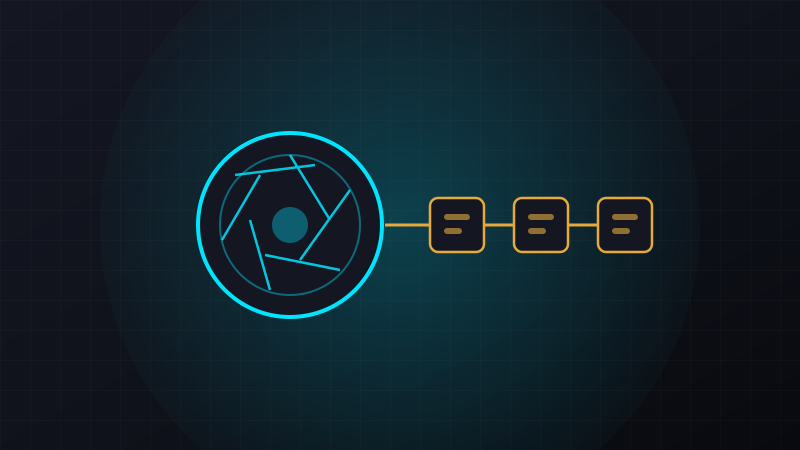
- InputAI resulttext, code, decision
- 01Supervisionaccuracy, bias, errors
- 02Ethical evaluationethical and legal principles
- 03Human intervention?critical or complex situations
- OutputValidated resultaligned with human goals
Required skills and knowledge
Becoming an AI Controller requires a unique combination of skills and knowledge:
- Technical knowledge: a deep understanding of AI algorithms, machine learning, and data science.
- Critical thinking: the ability to analyze and evaluate AI results critically.
- Ethics and legislation: knowledge of the ethical and legal implications of AI and its application.
- Domain knowledge: an understanding of the field in which the AI is being applied, such as software development, medicine, or finance.
- Communication: the ability to communicate findings and necessary adjustments effectively to both technical teams and non-technical stakeholders.
How close are you to the profile? Place yourself on each of the five skills the article describes.
Why AI Controllers matter
As AI becomes more integrated into everyday life, the need to supervise its results becomes imperative. AI Controllers play a crucial role in:
- Reducing bias: identifying and mitigating biases in algorithms that could lead to unfair or discriminatory decisions.
- Safety and reliability: making sure AI systems are safe and reliable, minimizing potential risks.
- Ethical responsibility: ensuring that the use of AI is ethical and benefits society as a whole.
The future of the profession
Demand for AI Controllers is bound to grow as technology keeps advancing. This profession will not only help mitigate the risks associated with AI, it will also contribute to its sustainable and responsible development.
In the future, we may see this profession integrated into many industries, with specific standards and regulations created to ensure AI is used ethically and effectively.
Conclusion
The AI Controller profession is a necessary response to the challenges and opportunities that artificial intelligence presents. These professionals will play a fundamental role in building a future in which AI works in harmony with human values and needs, maximizing its benefits while minimizing its risks.
In an increasingly technology-driven world, the AI Controller stands as a guardian of the balance between innovation and responsibility, an indispensable role for humanity's progress in the digital age.