
The Importance of Reflecting Architecture in a Flutter Project's Structure
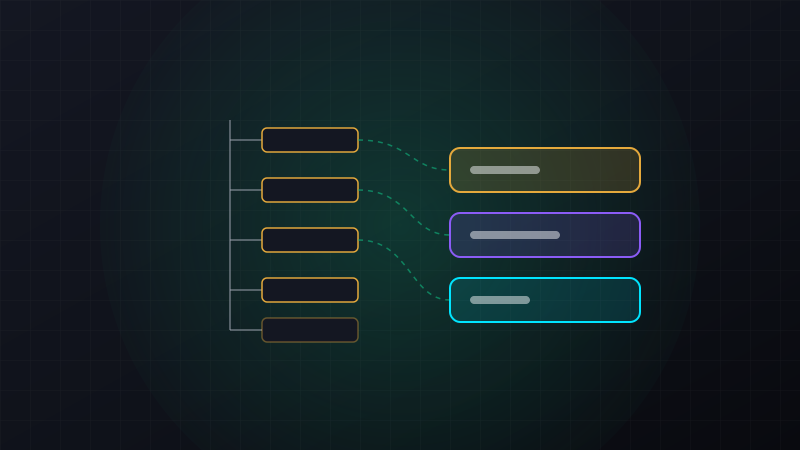
Architecture and structure are distinct but complementary. When the folder structure mirrors the architecture, a project gains clarity, maintainability, and better collaboration.
English translation of an article originally published in Spanish on LinkedIn on July 20, 2023. Leer el original en español.
In this article
Architecture and structure are two distinct but complementary concepts in the development of a Flutter application.
Architecture
Architecture refers to the overall design and organization of an application. It is the highest-level view, and it covers the fundamental decisions about how each component of the application is divided and how the components relate to one another. A well-defined architecture provides a solid framework for development, makes team collaboration easier, and improves the scalability and maintainability of the project. Flutter does not impose a specific architecture, which gives you the flexibility to choose between different architectural patterns according to the needs of the project. Some popular examples of architectures used in Flutter are:
- Flutter BLoC: this architecture is based on the BLoC (Business Logic Component) pattern. It divides the application into three main components: the view, which displays the user interface; the BLoC, which contains the business logic; and the repository, which handles fetching and manipulating data.
- MVVM (Model-View-ViewModel): a pattern that separates presentation logic from business logic and the data model. The View talks to the ViewModel to obtain and present data, and the ViewModel talks to the Model to obtain the data.
- Redux: an architecture based on a global state container (the Store) that holds all of the application's information. Widgets can read the state from the Store and dispatch actions to modify it.
Structure
Structure refers to the physical organization of the code and files in the Flutter project. It includes the way directories are grouped and how responsibilities are divided between them. A good project structure helps keep the code clean, makes navigation easier, and improves readability and team collaboration. Some common elements in the structure of a Flutter application are:
- The
libdirectory: where most of the application's source code lives, including views, business logic, and services, among others. - The
assetsdirectory: where the application's static resources are stored, such as images, fonts, and JSON files, among others. - The
testdirectory: contains unit and widget tests to ensure code quality. - The
androidandiosdirectories: contain platform-specific files to customize the application's behavior on Android and iOS, respectively. - The
lib/widgetsdirectory: can be used to store custom widgets that are reused across the application. - The
packagesdirectory: contains the different packages used by the application, such as API services and repositories. Organizing services and repositories into separate packages improves the modularity of the application, makes reuse easier, and reduces complexity in the project's main codebase. It also allows different teams to work on packages independently, which encourages better collaboration and more agile development in large projects or projects with many functional parts.
Architecture
- Overall design and organization
- How each component is divided and related
- Examples: BLoC, MVVM, Redux
Structure
- Physical organization of code and files
- How directories are grouped
- Examples:
lib,test,packages
Architecture focuses on the global design and organization of the application's components, while structure focuses on how files and directories are physically organized in the project. Both are fundamental to efficient, maintainable Flutter development.
Why should architecture and structure be aligned?
An application's architecture lays the foundation for how the project's components and layers will be organized, while the directory structure defines how the files are physically arranged. When architecture and structure are aligned, you get several key benefits:
1. Clarity and understanding
A clear correspondence between architecture and structure lets developers quickly understand how the application's components and layers are organized. This makes the code easier to navigate and improves readability, especially in larger, more complex projects.
2. Maintainability and scalability
When the project structure reflects the architecture, the code is easier to maintain and evolve. Changes in one part of the application can be made in isolation without affecting other areas, which improves the project's scalability and prevents unwanted side effects.
3. Separation of responsibilities
Proper alignment between architecture and structure encourages a clear separation of responsibilities. Each component or layer of the application has its own space and a defined role, which promotes modular design and makes it easy to identify where the business logic, the user interface, and other functionality live.
4. Team collaboration and efficiency
A consistent structure aligned with the architecture makes collaboration between team members easier. Every developer shares a common understanding of how the project is organized and can work more efficiently, reducing review times and the time spent resolving conflicts.
Pick an architecture and see how each of its components gets an obvious home in the project tree.
my_app/
        ├── lib/
        │   ├── views/          ← View: the user interface
        │   ├── blocs/          ← BLoC: the business logic
        │   └── widgets/        ← reusable widgets
        ├── packages/
        │   ├── repositories/   ← Repository: fetching and manipulating data
        │   └── api_services/   ← API services
        ├── assets/
        ├── test/
        ├── android/
        └── ios/
my_app/
├── lib/
│ ├── views/ ← View: presents the data
│ ├── view_models/ ← ViewModel: presentation logic
│ ├── models/ ← Model: the data
│ └── widgets/ ← reusable widgets
├── packages/
│ └── api_services/ ← API services
├── assets/
├── test/
├── android/
└── ios/my_app/
├── lib/
│ ├── store/ ← Store: the global state
│ │ ├── actions/ ← actions that modify the state
│ │ └── reducers/
│ ├── views/ ← widgets that read the state
│ └── widgets/ ← reusable widgets
├── packages/
│ └── api_services/ ← API services
├── assets/
├── test/
├── android/
└── ios/How to align architecture and structure
To make the architecture visible in the structure of a Flutter project, it is essential to follow a few principles and best practices:
1. Define the architecture clearly
Before development starts, it is essential to define a solid architecture suited to the specific needs of the application. Popular options include the BLoC pattern, MVVM, and Redux, among others. This choice must be shared and understood by the entire development team.
2. Choose a coherent structure
Once the architecture is established, the team should choose a directory structure that reflects it and properly organizes the different components according to the selected architecture. Keeping the structure consistent and simple is key to avoiding confusion and ensuring the project is easy to navigate.
3. Document and communicate
It is crucial to document the chosen architecture and how it will be reflected in the project structure. This documentation should be available to every team member, especially those who join the project at later stages. Clear, open communication about architecture and structure builds a shared understanding and prevents misunderstandings.
4. Review and improve continuously
The team should periodically review the project structure and make sure it stays aligned with the defined architecture. Feedback and suggestions from team members should be welcome, so the structure can be improved and adapted as the project evolves.
- 01Definethe architecture
- 02Choosea coherent structure
- 03Documentand communicate
- 04Reviewand improve
Aligning the architecture and the structure of a Flutter project is essential for efficient, maintainable, and collaborative development. A well-organized structure that clearly reflects the architecture provides a solid foundation for the project's growth and for building high-quality applications. By establishing a proper correspondence between architecture and structure, development teams can face challenges with confidence and achieve successful results in their Flutter projects.